 Read more
Platform work is increasing worldwide, leaving a serious lack of social protection. In spite of the international and flexible character of platform work, extending social security is feasible – if ...read more
 Read more
There is a large wage gap between women and men. The search for explanations and solutions must start exactly where wages are decided: in the enterprises. In Germany, operational measures to promote ...read more
 Read more
On the 1st January 2015, a nationwide statutory minimum wage of €8.50 was introduced in Germany. On 1st January 2017 it was then increased to €8.84. Prior to and during its introduction the economic ...read more
 Read more
Policy advice is an integral part of policy-making in contemporary democracies and a central task of the IAB. But what makes "good" policy advice? Even if the quality of individual advisory services ...read more
 Read more
As a consequence of the Great Recession, starting in most European countries in 2009, the number of unemployed young people increased significantly. Using 2008 as the reference point, where most ...read more
 Read more
Like collective bargaining coverage, codetermination is becoming less and less significant in German companies. Only a minority of employees, especially in East Germany, work in companies with a ...read more
 Read more
Wages and working conditions are negotiated between employers and employees. Collective agreements provide both parties with an institutional framework to that end. But in the last few years, ...read more
 Read more
Germany does not stand alone in having experienced changes in the landscape of work. However, these changes differ in comparison to other countries – both in relation to the relative importance of ...read more
 Read more
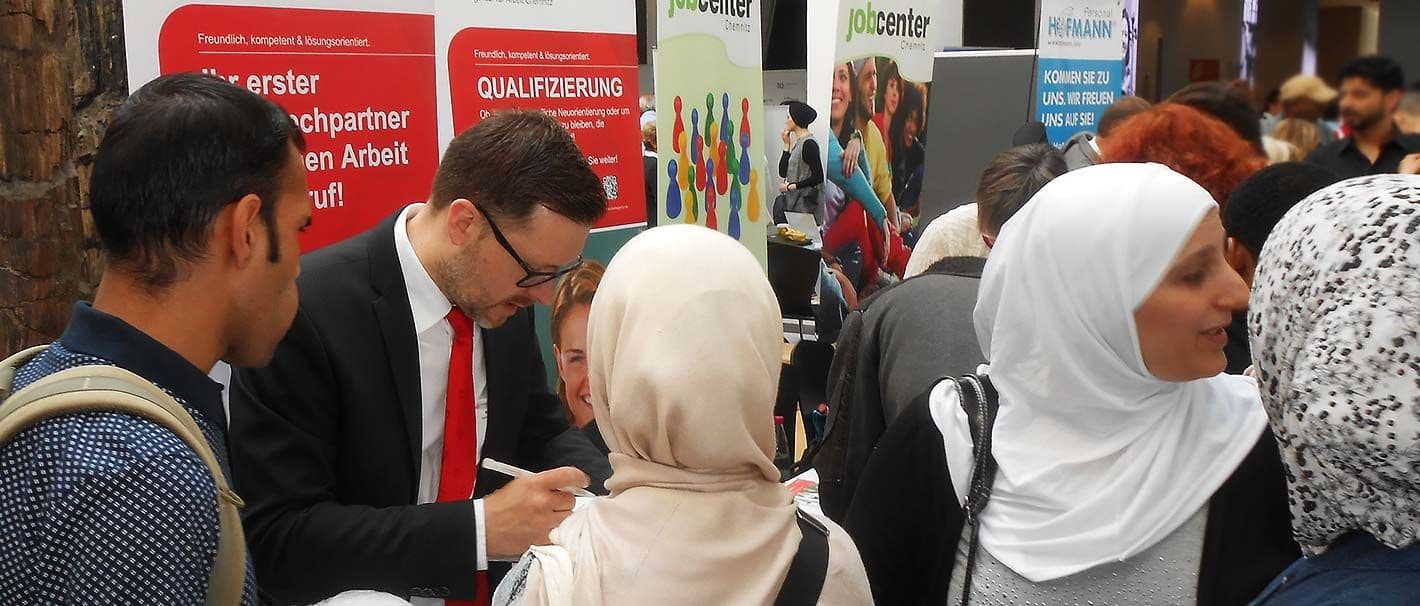
A few refugees get a job soon after they arrived in Germany. However, for most of them labour market integration is still a long way off. Bevor getting a job, many refugees have to learn German and ...read more
