 Read more
Despite strong educational achievements, women in Germany remain underrepresented in Science, Technology, Engineering, and Mathematics (STEM) careers – an imbalance that fuels the gender pay gap, as ...read more
 Read more
Between 2017 and 2024, employment growth in Germany was mainly driven by a rising population and increasing employment rates. Gains were concentrated among migrants, women and older workers, while ...read more
 Read more
The rapid spread of AI in the workplace is creating a new divide: the gender AI gap. A recent study by the IAB conducted in collaboration with Initiative D21 shows that women use AI considerably less ...read more
 Read more
Artificial intelligence is changing the world of work right now – and those who use it often have clear advantages in the job. However, recent data show that women resort to AI significantly less ...read more
 Read more
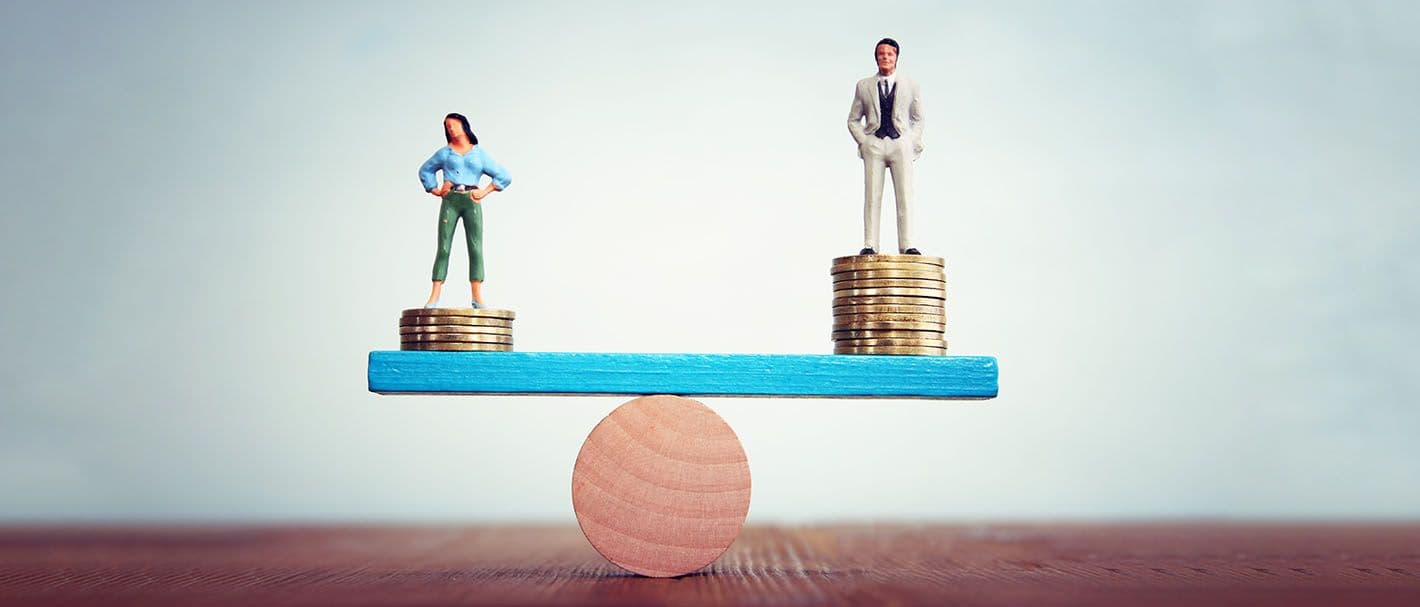
According to a survey conducted by the IAB, female university students have different salary expectations than male students. They would accept a starting salary that is 15.6 percent lower than that ...read more
 Read more
In many developed countries the baby boomers are gradually reaching retirement age. This creates challenges for both labour supply and pension systems. At the same time, it is not a given that older ...read more
 Read more
The 8th of March marks the annual International Women’s Day. Wages are an important factor in driving gender parity. In a video interview Professor Alan Manning talks about the gender pay gap between ...read more
 Read more
Adverse effects on workers' employment situation are highly unequal for different groups. Young workers were particularly affected by the pandemic. They were less likely to receive short-time work ...read more
 Read more
More and more tasks can be automated with the help of modern technologies. Up to now, men in Germany are potentially more affected than women: 40 percent of men work in occupations with a high ...read more
