 Read more
A good 70 percent of refugees in Germany come from eight non-European asylum seekers' countries of origin. Their integration into the German labour market has increasingly gained momentum in recent ...read more
 Read more
Platform work is increasing worldwide, leaving a serious lack of social protection. In spite of the international and flexible character of platform work, extending social security is feasible – if ...read more
 Read more
As a consequence of the Great Recession, starting in most European countries in 2009, the number of unemployed young people increased significantly. Using 2008 as the reference point, where most ...read more
 Read more
Germany does not stand alone in having experienced changes in the landscape of work. However, these changes differ in comparison to other countries – both in relation to the relative importance of ...read more
 Read more
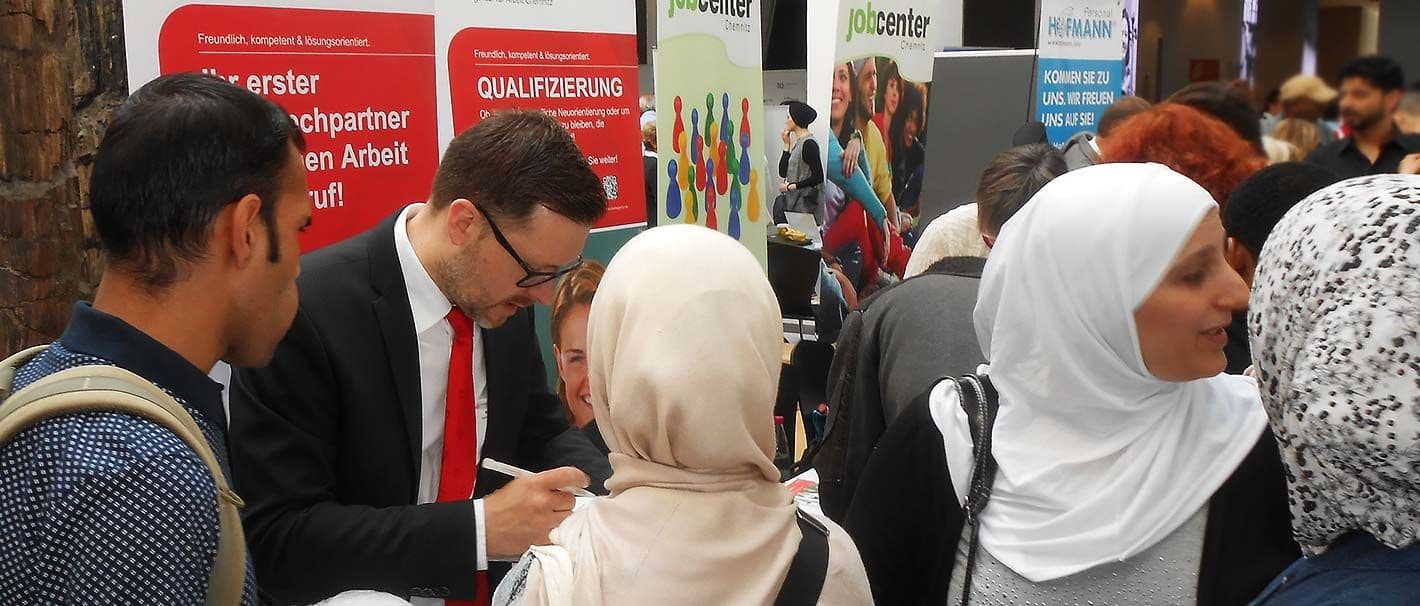
A few refugees get a job soon after they arrived in Germany. However, for most of them labour market integration is still a long way off. Bevor getting a job, many refugees have to learn German and ...read more
 Read more
The German labour market follows a fascinating employment trend since the year 2005. In contrast, wage growth remained weak until 2010 and although wage dynamics have picked up by now, they remain ...read more
 Read more
For many years, Germany was notable for its high levels of long-term unemployment compared to other countries. However, in contrast to the European trend, the number of long-term unemployed has ...read more
 Read more
Since 2015, questions around migration and the integration of migrant men and women into the labour market, the education system and all other areas of society have moved into the centre of public ...read more
 Read more
If you want to use a single indicator to understand how the German labour market compares internationally, then the employment rate is a fitting measure to use. It gives the proportion of the working ...read more
